
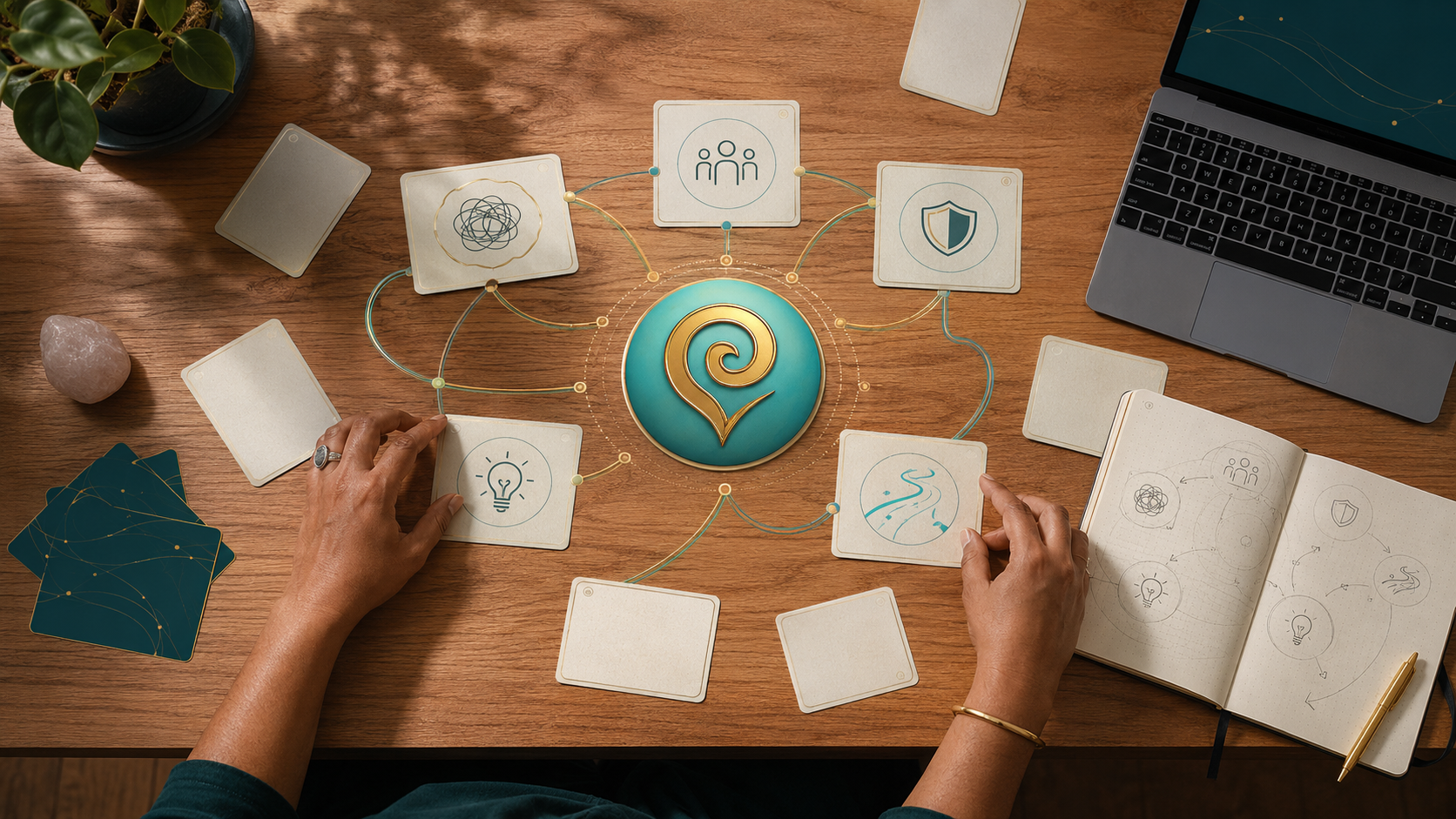
One of the biggest lessons I've learnt about myself is that I don’t always think in the same way as the people I’m speaking to.
When I come across a problem, I naturally think in systems. Instead of seeing one idea on its own, I tend to see how it connects to everything around it, what could come from it and what might be missing. I also tend to begin with the outcome I want to achieve and work backwards, asking what needs to exist for that outcome to be possible and where I actually need to begin.
For a long time, I didn’t really understand that this was simply how I thought. I would try to explain Tai Ora to friends and family, and they often didn’t understand what I was trying to build. To me, the different parts were clearly connected, but when I tried to explain them, it could sound as though I was talking about ten different things at once. To be fair, sometimes I probably was.
My confidence also affected how well I explained things. With people I felt comfortable around, I could speak freely and usually find the words. But with people I didn’t know well or those I found intimidating, I would sometimes stumble over what I was trying to say. The ideas could be completely clear in my own mind, but in those moments, I struggled to explain them in a way that made sense.
So at times, I questioned whether the idea could actually work or whether I was simply losing it.
There were many nights when I cried out of frustration and exhaustion, and there were days I wanted to quit. It could feel incredibly lonely when no one around me really understood what I was trying to build. I had to keep building the dream in my head, trusting that eventually the pieces would come together and make sense to others.
What kept me going was knowing that Tai Ora was never just about building a business. I wanted to create better pathways for people when the existing ones had failed them. Even when I wanted to give up, that purpose was something I couldn’t walk away from.
I still had to find a way to help other people understand Tai Ora. I tried explaining it in different ways, but sometimes the more I tried to explain, the more complicated it sounded. Eventually, I realised that keeping it simple made the most sense. I didn’t need to explain the whole vision at once. I needed to explain one problem, one solution and one part of the story at a time.
I didn’t begin by deciding to build an entire ecosystem. I began with one problem and tried to solve it. But as I worked through that problem, I realised I couldn’t address it without also addressing the other problems connected to it. They weren’t separate. Each one affected another part of how people experienced their wellbeing and moved through life. Over time, I began to understand what needed to exist to support the whole person, rather than solving only one part of the problem.
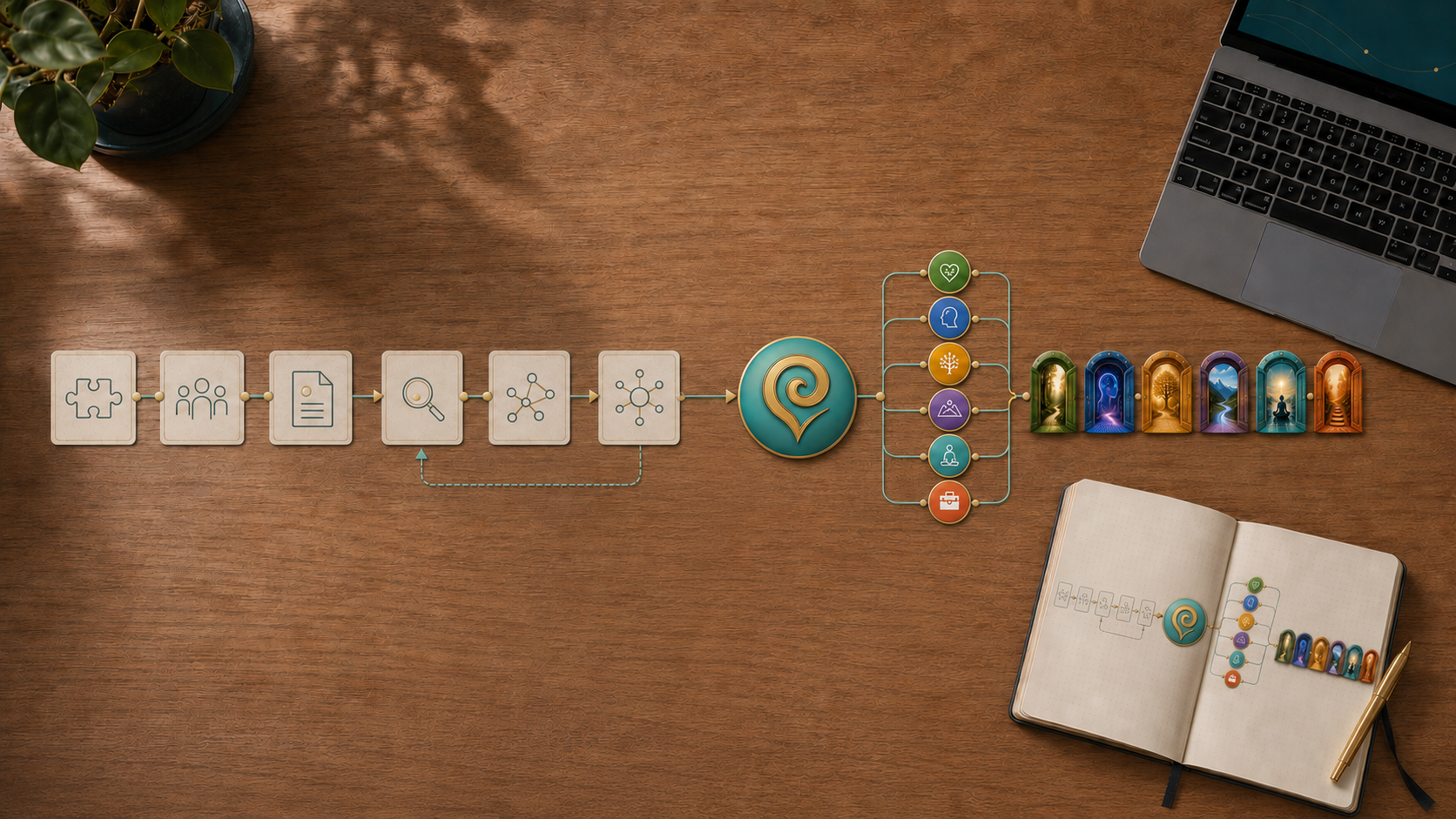
Explaining Tai Ora simply doesn’t mean making the vision smaller. It means helping people understand how one idea led to another and how Tai Ora became what it is today.
I no longer think the way my mind works is something I need to change. I just need to be mindful of how I explain it so other people can see the connections too.